Top-Rated Orthodontists in Drexel Hill, Newtown Square & Edgmont
Braces and Invisalign for kids, teens, and adults in Drexel Hill, Newtown Square, and Edgmont. Our team includes a top-rated orthodontist and a board-certified orthodontist. Same-day starts and 0% APR financing. Book your free consultation below.

Carpinello Orthodontics – Associations & Credentials
Members: AAO, ADA, MASO, GPSO • American Board of Orthodontics • Invisalign & Spark Aligners Provider.






Recognized as Top Orthodontists in Drexel Hill, Newtown Square & Edgmont
Dr. Paul Carpinello, DMD, MSD and Dr. David Carpinello, DMD, MS lead Carpinello Orthodontics with a shared commitment to advanced, family-centered care across Drexel Hill, Newtown Square, and Edgmont. With decades of combined experience, the practice blends a long-standing tradition of trust with modern orthodontic innovation. Together, they deliver personalized care using cutting-edge technology to create confident, lasting smiles for patients of all ages. Their patient-first approach ensures every treatment plan is tailored for comfort, efficiency, and long-term results.
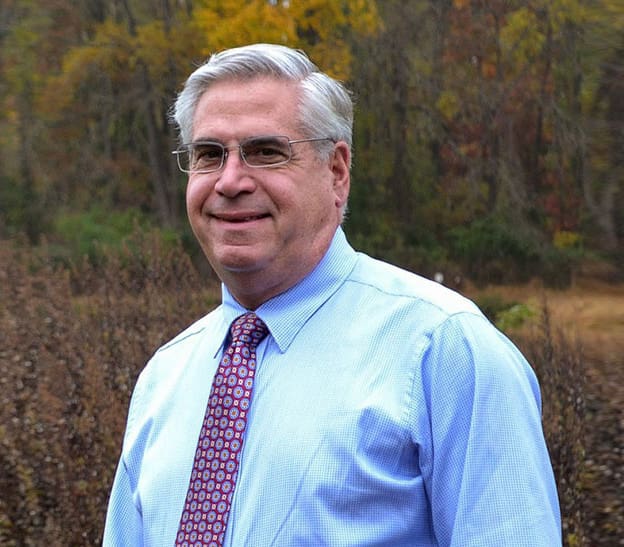
Meet Dr. Paul Carpinello, DMD, MSD
Your Top-Rated Family Orthodontist
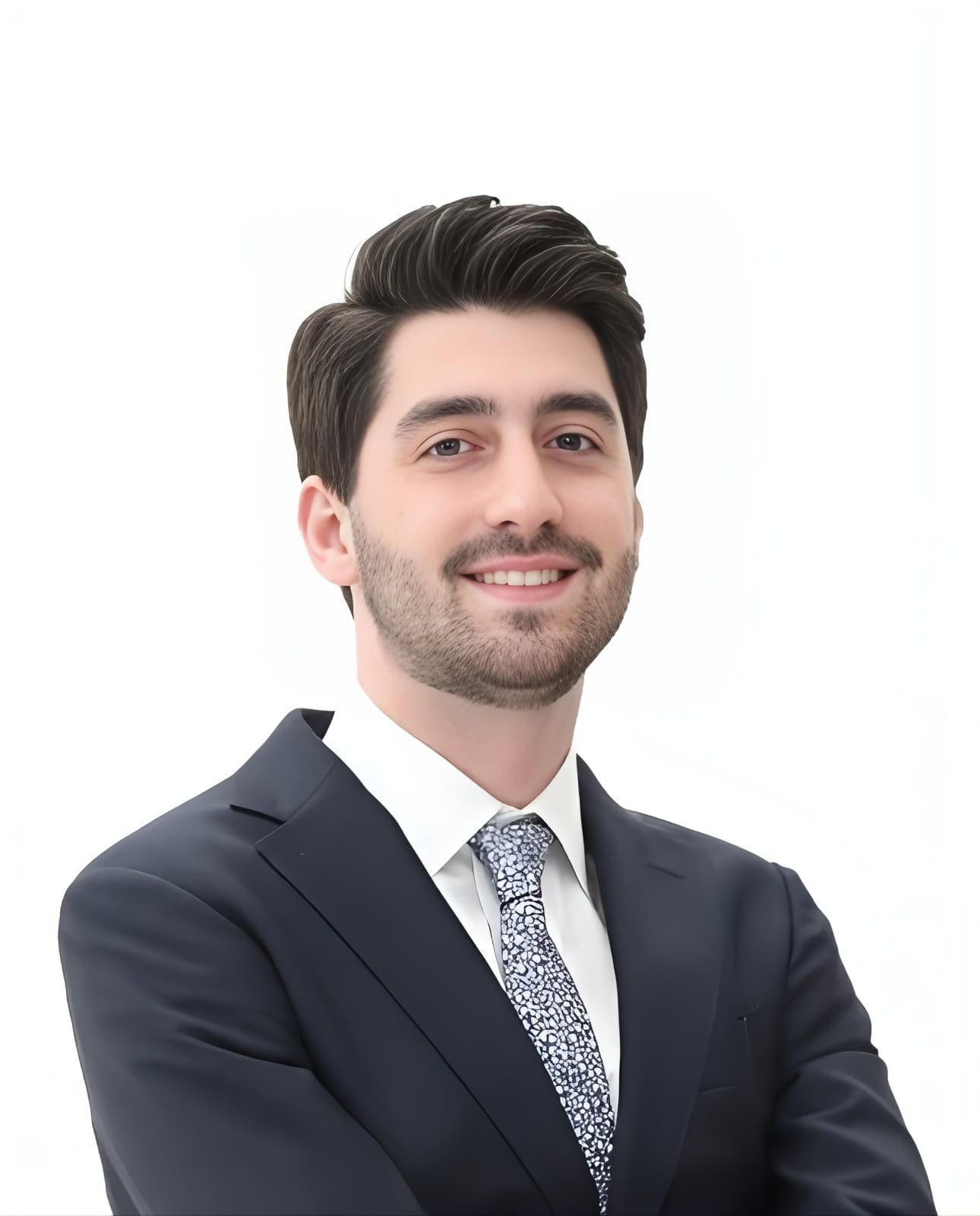
Meet Dr. David Carpinello, DMD, MS
Your Top-Rated Family Orthodontist
Three Convenient Locations Near You
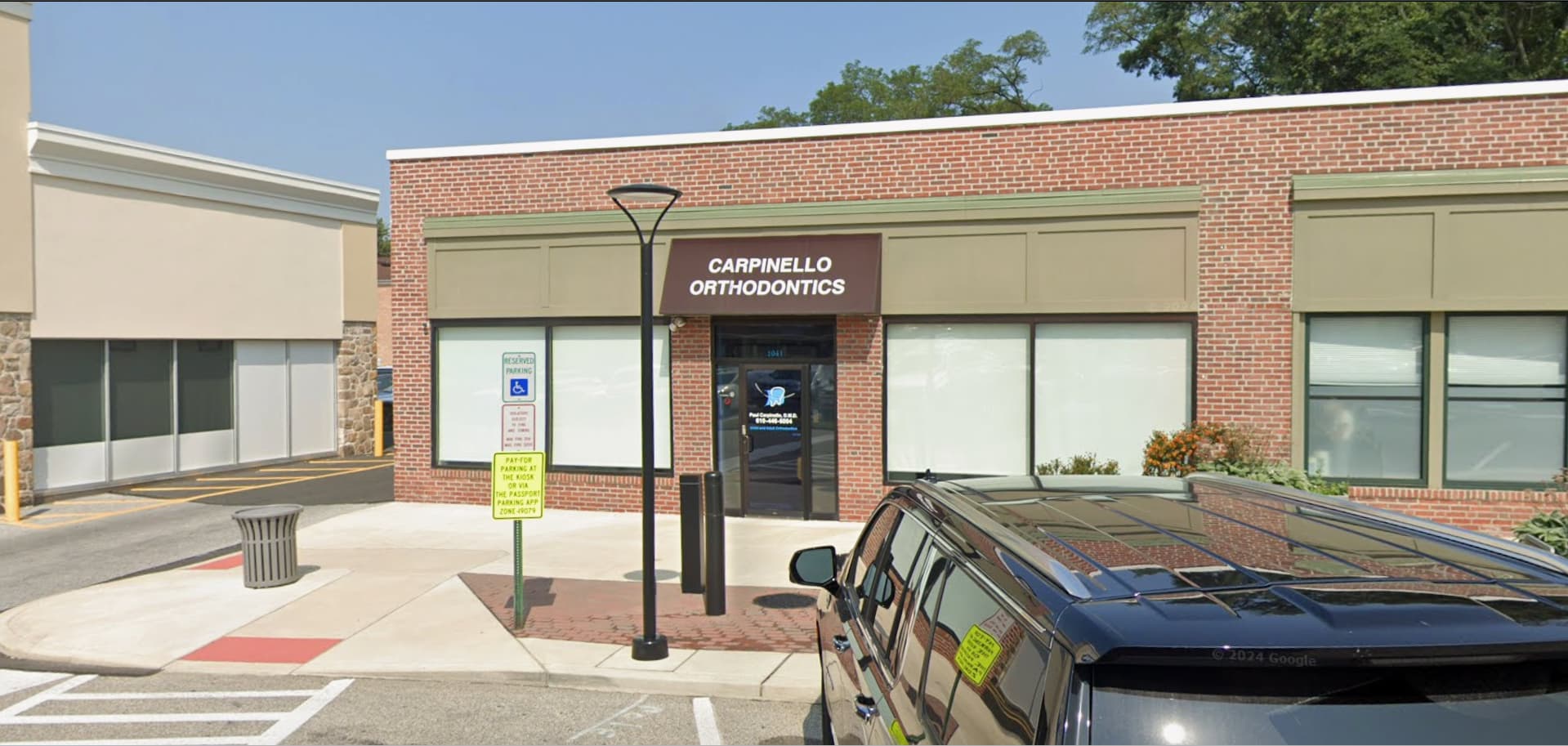
Orthodontics in Drexel Hill, PA
Located on Pontiac Road, Carpinello Orthodontics in Drexel Hill provides exceptional orthodontic care with your comfort and convenience in mind. Our clinic features advanced technology to deliver personalized treatments that fit your lifestyle seamlessly.
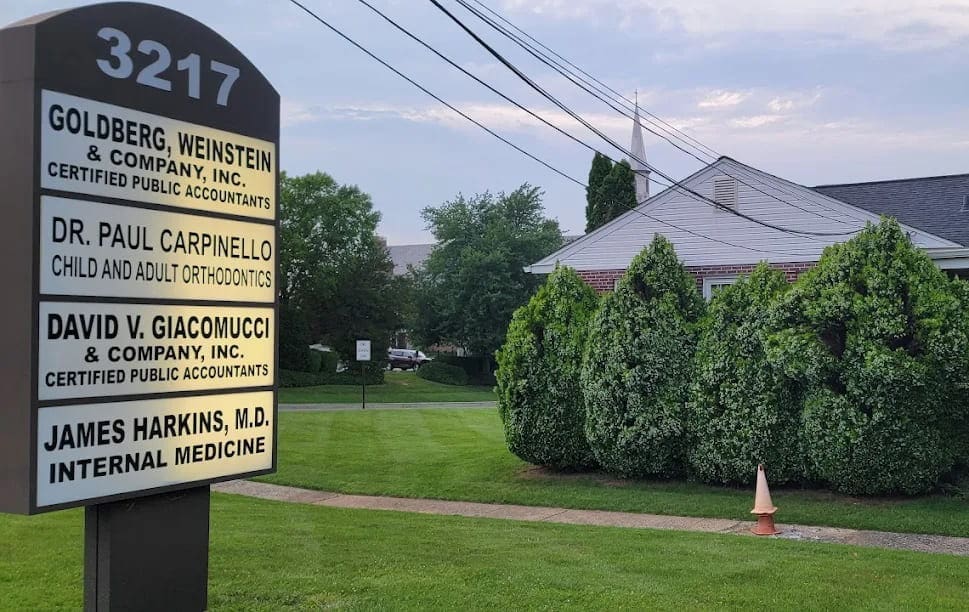
Orthodontics in Newtown Square, PA
Located on West Chester Pike, Suite B, Carpinello Orthodontics in Newtown Square combines a welcoming environment with advanced orthodontic care. Whether starting treatment or continuing your journey, we provide personalized care designed to meet your needs.
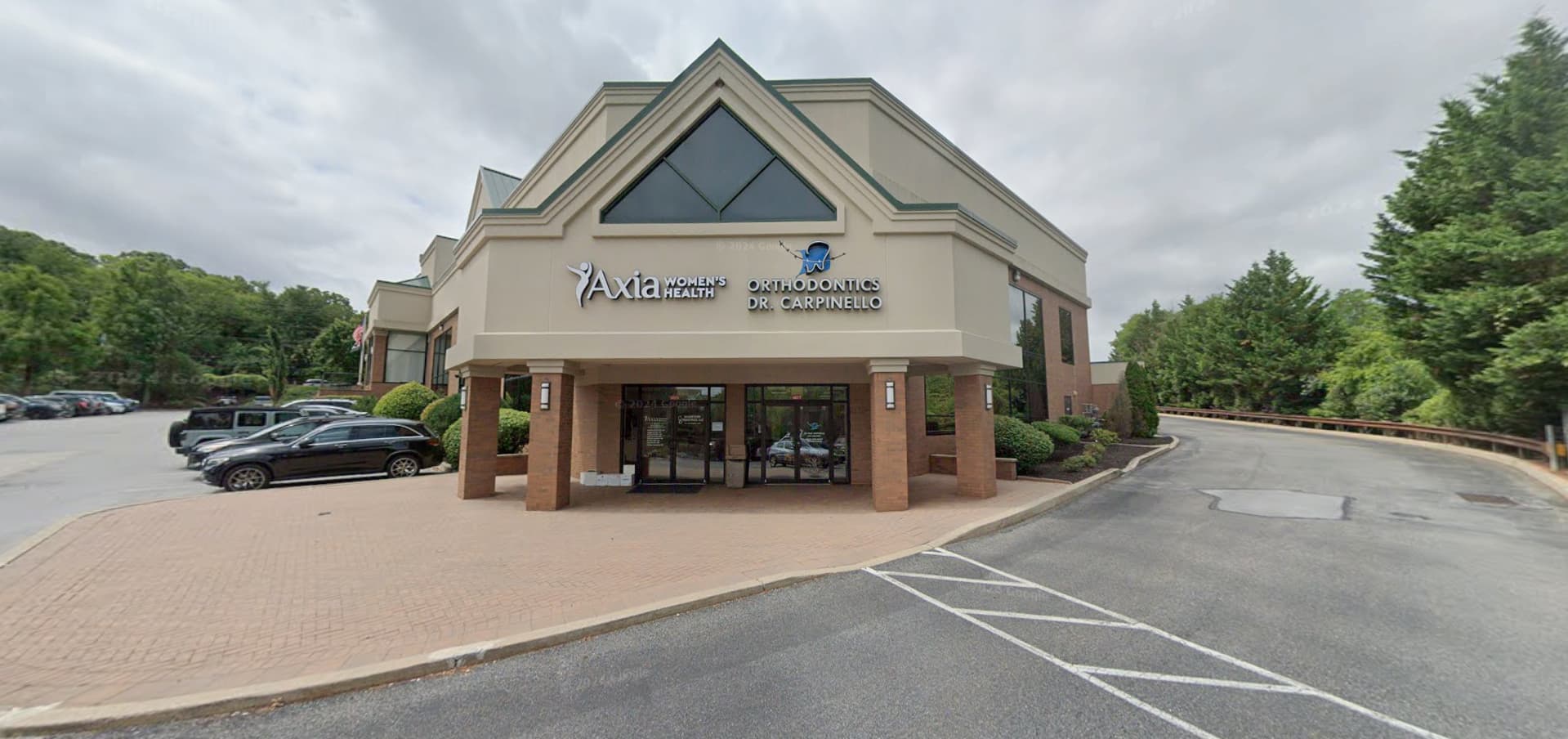
Orthodontics in Edgmont, PA
Located on West Chester Pike, Carpinello Orthodontics in Edgmont delivers orthodontic care that prioritizes comfort, convenience, and effective results. Our state-of-the-art clinic provides personalized treatments tailored to your lifestyle.
Core Orthodontic Services: Orthodontic Treatment in
Drexel Hill, Newtown Square or Edgmont, PA
Braces
Invisalign
Airway Orthodontics
Braces Removal
Orthodontics for Adults
Orthodontics for Children
What Makes Us Different?
The Journey to Your Best Smile Begins with
Personalized Orthodontic Excellence
What Our Patients Say
Visit us in Drexel Hill, Newtown Square and Edgmont, PA
We are Conveniently Located Near Your Neighborhood for Three of Our Locations in Drexel Hill, Newtown Square and Edgmont, PA.
Searching for Orthodontists Nearby in Drexel Hill, Newtown Square or Edgmont, PA
Monday: 7:30 am – 7:30 pm
Tuesday: 7:30 am – 5:30 pm
Wednesday: 7:30 am – 7:00 pm
Thursday: 7:30 am – 5:30 pm
Monday – Sunday: 7:30 am – 10:30 pm
Monday: 7:30 am – 5:30 pm
Tuesday: 7:30 am – 5:30 pm
Wednesday: 7:30 am – 7:30 pm
Thursday: 7:30 am – 5:30 pm
Monday – Sunday: 7:30 am – 10:30 pm
Monday: 7:30 am – 5:30 pm
Tuesday: 7:30 am – 5:30 pm
Wednesday: 7:30 am – 7:30 pm
Thursday: 7:30 am – 5:30 pm
Monday – Sunday: 7:30 am – 10:30 pm